How to Unclog a Drain Without Harsh Chemicals fast
Clear drains naturally, protect your pipes, and keep your home safe—sometimes the simplest solutions are the most powerful. - Appliance Boss
Introduction: Why Natural Drain Unclogging Matters
Clogged drains are an everyday nuisance, but the way you address them can have a lasting impact on your home and the environment. Natural drain unclogging methods provide a safe, effective, and eco-friendly alternative to harsh chemical cleaners. They protect your pipes from corrosion, prevent toxic runoff, and often save you money while resolving the issue just as efficiently. Learning how to unclog a drain without harsh chemicals fast ensures that your plumbing remains in optimal condition for years to come.
The Hidden Risks of Chemical Drain Cleaners
Chemical drain cleaners might seem like a quick fix, but they carry hidden dangers. The caustic substances can erode metal pipes, weaken joints, and even damage plastic plumbing over time. They also pose a significant health risk if inhaled or spilled, causing burns or respiratory irritation. Beyond your home, these chemicals enter the water system, contributing to environmental pollution that affects aquatic life and soil quality.
How harsh products damage pipes and harm the environment
The chemical reaction intended to dissolve clogs generates extreme heat and toxic fumes. This combination accelerates pipe deterioration, leaving you with costly repairs down the line. Additionally, when chemicals enter the municipal water system, they contribute to contamination that is difficult to reverse, impacting ecosystems and human health alike.
Why Clogs Happen in the First Place
Understanding the root causes of clogs is essential to preventing them. Most blockages result from a combination of hair, soap scum, grease, food particles, and mineral buildup. These materials accumulate gradually, narrowing the drain pathway until water flow slows or stops entirely.
Understanding buildup, debris, and common household causes
In kitchens, fats, oils, and grease congeal inside pipes, creating sticky obstructions. Bathroom drains often clog with hair, soap residue, and toothpaste. Even small, seemingly harmless debris like food scraps or coffee grounds can combine to form stubborn blockages over time. Recognizing these contributors helps in applying the right natural solutions.
Signs Your Drain Is Starting to Clog
Early detection is key. Ignoring minor issues can turn a simple clog into a major plumbing problem.
Early warning indicators to catch the problem before it worsens
Slow drainage, gurgling sounds, water pooling, or foul odors are all telltale signs. Recognizing these symptoms early allows you to address them before they escalate into more severe blockages.
Safety First: What to Do Before You Start
Even natural unclogging methods require precautions. Safety ensures that the process is effective without putting you or your plumbing at risk.
Simple precautions to protect yourself and your plumbing
Wear gloves, keep the area dry to prevent slips, and use protective eyewear when using boiling water or vinegar. Remove fragile items near the drain to avoid accidental spills or splashes.
Using Boiling Water for Quick Results
Boiling water is one of the simplest and fastest methods to address minor clogs.
How heat breaks down grease and softens buildup
Pouring boiling water directly into the drain melts fats and loosens soap scum. Repeating the process in intervals can gradually clear minor blockages without damaging your pipes.
The Power of Baking Soda and Vinegar
This classic natural remedy combines chemical reactions with a gentle, eco-friendly approach.
A natural reaction that clears blockages effectively
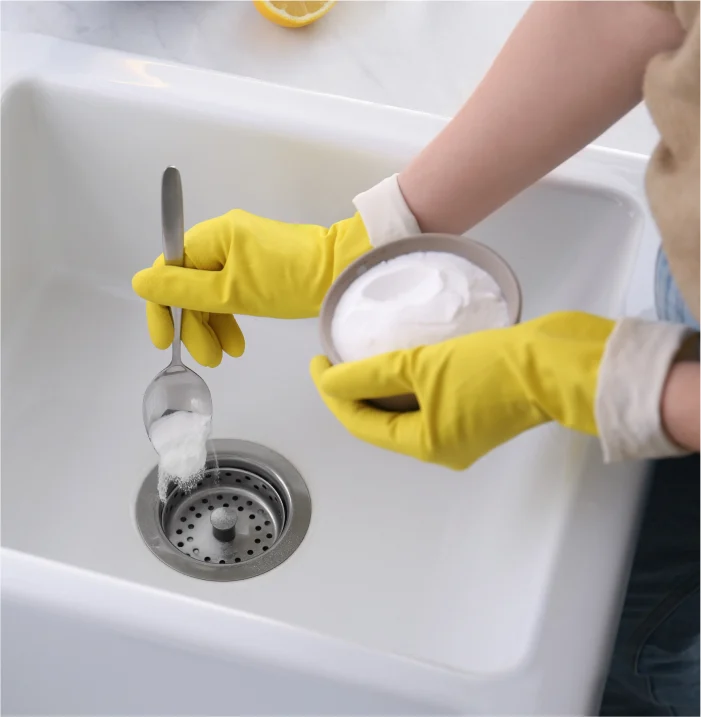
Baking soda neutralizes odors and creates a mild abrasive, while vinegar generates a fizzy reaction that dislodges debris. Together, they break down buildup and leave your drain fresh and clean.
How to Use Salt and Hot Water
Salt is another versatile household item for unclogging drains.
A simple yet surprisingly strong method for stubborn clogs
Pour a generous amount of salt followed by hot water. The abrasive texture helps scrape away minor blockages while the heat dissolves grease. This method is especially effective in kitchen sinks.
Unclogging with Dish Soap and Hot Water
Grease is a common culprit in kitchen drains.
When grease buildup is the main culprit
Add a few tablespoons of liquid dish soap to hot water and pour it down the drain. The soap emulsifies fats and oils, allowing them to flow freely through the pipes without the need for harsh chemicals.
Using a Plunger the Right Way
A plunger is often the first tool most homeowners reach for.
Techniques to maximize suction and clear drains quickly
Create a tight seal over the drain, use vigorous up-and-down motions, and ensure water covers the plunger cup. This pressure dislodges blockages and restores proper drainage efficiently.
How to Use a Drain Snake or Zip Tool
For hair and dense debris, mechanical tools are highly effective.
A beginner-friendly guide to pulling out hair and debris
Insert the snake or zip tool into the drain, twist, and pull to extract trapped hair and gunk. This method reaches clogs that plungers and liquids cannot, without the use of chemicals.
Removing and Cleaning the Drain Stopper
The drain stopper itself can harbor buildup.
Why cleaning hidden components often solves the clog
Lift and clean the stopper along with any visible gunk. Removing hair, soap, and grime at this level often restores drainage without further intervention.
The Wet and Dry Vacuum Method
Vacuuming can be surprisingly effective for stubborn blockages.
How suction can remove deep, stubborn blockages
Use a wet/dry vacuum to create strong suction. Seal the hose over the drain and draw out hair, grease, and debris lodged deep inside the pipes.
DIY Drain Bombs for Tough Clogs
Some natural mixtures provide extra fizzing power.
Natural mixtures that fizz away buildup
Combine baking soda, salt, and citric acid to create a reaction that dislodges hardened deposits. Pour into the drain and follow with hot water for optimal results.
How to Freshen Your Drain After Unclogging
Clearing the blockage is only part of the process; odors need attention too.
Prevent odors and keep water flowing smoothly
Use a mixture of baking soda and essential oils, or flush with hot water and vinegar to neutralize lingering smells. Regular maintenance prevents the return of foul odors.
When Hot Water Doesn’t Work
Some clogs require more than simple methods.
Understanding when the clog needs more than simple methods
Persistent slow drains, recurring backups, or blockages that resist all natural techniques indicate a deeper obstruction. At this stage, more advanced tools or professional intervention is necessary.
Preventing Future Clogs Naturally
Proactive care is the best way to avoid future headaches.
Everyday habits that keep drains running clean
Dispose of food scraps in the trash, avoid pouring grease down the sink, use drain screens, and flush drains with hot water weekly. These small habits prevent buildup before it becomes problematic.
Eco-Friendly Drain Maintenance Products
Natural products can supplement DIY methods.
Safe alternatives to chemical cleaners
Enzyme-based drain cleaners, biodegradable gels, and plant-based formulas safely break down organic matter without damaging pipes or harming the environment.
When to Avoid DIY Fixes
Not all clogs are safe to handle alone.
Situations where natural methods may cause more harm
Severe backups, recurring clogs, or plumbing systems with old or fragile pipes should not be treated with aggressive DIY tactics. Missteps can worsen the issue or cause damage.
When It’s Time to Call a Professional
Some clogs need expert attention.
How to know the clog requires expert help
If water is rising instead of draining, if odors persist, or if DIY methods fail repeatedly, it’s time to schedule a professional inspection. Early intervention prevents extensive damage and costly repairs.
Why Professional Drain Cleaning Works Better
Professionals have access to specialized tools and expertise.
What plumbers can do that household tools cannot
They can perform video inspections, hydro-jetting, and deep cleaning to fully remove obstructions. Their experience ensures long-term results and protects your plumbing investment.
Conclusion: Keep Your Drains Clean the Natural Way
Natural methods for unclogging drains are safe, effective, and environmentally responsible. By incorporating preventive habits, using household solutions like baking soda, vinegar, and boiling water, and knowing when to call in a professional, you can maintain healthy, free-flowing drains. Consistent care not only avoids costly plumbing issues but also ensures a safer, cleaner home environment.
For expert assistance with stubborn clogs or routine drain maintenance, Zip Does Plumbing is here to help. Visit www.zipdoesplumbing.com or call (661) 370-2701 to schedule professional drain cleaning and plumbing services today.